
Chat Moderation Standards in Zeppelin Crash Game for UK

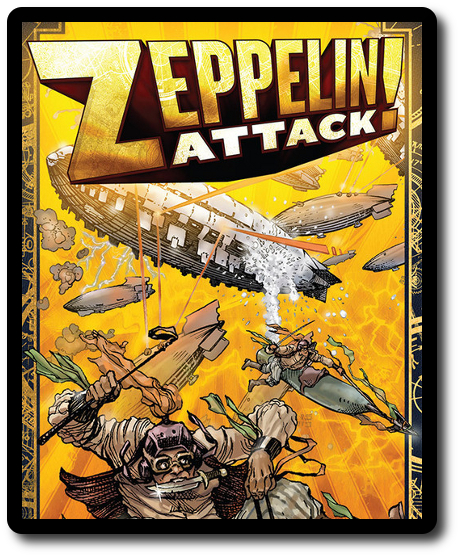
Anyone active on gaming platforms knows chat is often an low priority for developers. For players, it’s far from it. In deposit game zeppelin crash, the chat is a key social component. It’s where people celebrate the excitement of a big win and where regulars create a community. That makes the rules overseeing the conversation extremely important. For players in the UK, these standards are shaped by a specific legal and cultural landscape. Understanding them isn’t about managing constraints. It’s about understanding the framework that lets the game run responsibly. Let’s break down the nine key pillars of chat moderation for UK players, starting with the legal bedrock and progressing to what users themselves add.
Reporting Mechanisms Mechanisms and Resolution Speeds
A strong user reporting system offers the community a direct line to moderators. In Zeppelin Crash, this tool is simple to locate. Players can flag specific messages or user profiles with a couple of clicks. The system usually asks for a type, like harassment, spam, or cheating. This assists organize the moderator queue. For a UK-licensed operator, the UKGC expects swift action on reports. There is likely a service level agreement in effect, aiming to handle reports within hours, not days. This promptness counts for user satisfaction. It also proves compliance to the regulator by showing user-protection measures are effective. The process strives for transparency. Users generally get an automated confirmation. They may afterwards obtain a message confirming action was carried out, though information about another user’s penalty remain private. This closed-loop system prevents false reporting and fosters trust in the platform’s dedication to a fair chat.
Manual Review: The Essential Judgment Layer
AI systems manage the obvious violations. Manual reviewers handle the rest. They are the foundation of effective chat governance. These moderators undergo training on UK regulatory expectations. They review flagged messages, review user reports, and make the ultimate decision on ambiguous cases. Their work entails interpreting context—telling casual joking from malicious harassment, which hinges on cultural subtleties. Within UK regulations, they also actively watch chat for evidence of gambling addiction talk or collusion. They aren’t just acting on reports. This personal touch provides necessary discretion. It guarantees policies are implemented justly and gives players a sense of being valued instead of processed by an algorithm. Moderators are trained in calming techniques. Regarding a borderline case, they might deliver a gentle personal note before issuing a formal sanction. Their shift patterns include busiest British gaming hours. This guarantees steady monitoring when chat is most active, a tangible procedural action to the regulator’s expectation for live customer safeguarding.
Cultural Awareness and Area-Specific Awareness
Overseeing chat for a UK audience necessitates an awareness of cultural nuance. British humour, sarcasm, and regional dialects can blur the lines of acceptable communication. A phrase said in jest in one context might be interpreted as rude in another. Effective moderation here hinges on moderators who are British or deeply familiar with its culture. This allows them to render informed judgments. The platform must also be mindful of major UK events. It makes sure chat does not become a venue for harmful commentary about real-world incidents. This cultural calibration maintains the community open and courteous for the majority, without eliminating the friendly rivalry and camaraderie that add fun to game chat. For instance, banter about football teams is common. Moderators must tell apart passionate support and xenophobic or violent rhetoric. They also need to understand region-specific slang. A word might be highly offensive in one area but everyday in another. The standard they apply favors the comfort of the broader, diverse UK player base over localized norms.
Setting Unacceptable Content: A UK-Centric Viewpoint
The legal rules establish the boundaries, but what qualifies as unacceptable content in Zeppelin Crash’s chat also reflects UK societal norms. Global bans on hate speech, severe harassment, and violent threats are in place, of course. Yet moderation goes further, targeting subtler dangers specific to a gambling environment. This includes sharing investment advice, pressuring others to chase losses, or promoting “guaranteed” betting strategies. References to self-exclusion or public comments about someone’s potential gambling problems are moderated quickly to protect vulnerable individuals. This careful approach reveals an understanding that in the UK, protecting users from financial harm and psychological pressure is as important as stopping obvious abuse. It aligns with the UKGC’s focus on player protection. The definition also encompasses content that could harm the licensee’s reputation. False accusations about game fairness or the operator’s integrity are addressed promptly. Maintaining regulatory confidence and public trust in the licensed market hinges on it.
The Role of Automated Filtering Systems
Managing real-time chat volume requires automated help. Zeppelin Crash uses layered filtering systems. The first layer is a basic keyword blacklist. It blocks messages containing slurs, extreme profanity, or clearly dangerous phrases instantly. A more advanced, context-aware filter uses natural language processing to flag potentially harmful messages that might slip past a simple word list. Think disguised harassment or coordinated spam. For UK players, these filters are tuned to recognize British slang and colloquialisms that could cause offense. It’s crucial to see these systems as a first line of defense, not a final judge. They flag or hold messages for human moderator review. This process minimizes false positives and allows for understanding nuanced intent. The systems are constantly updated. If players start using creative misspellings to bypass bans on terms like “deposit more,” the machine learning models are retrained to catch these new variants. It’s a dynamic, evolving shield around the chat space.
User Responsibility and Shared Development
A thriving chat environment is a joint responsibility. Zeppelin Crash offers the framework and enforcement, but the standard of interaction relies on users. Players have a responsibility to follow the rules and proactively build a supportive atmosphere. This involves:
- Ensuring banter courteous and centered on the game. Discuss the crash multiplier or strategy, not another player’s skill or moves.
- Employing the reporting tool appropriately. Report genuine issues, avoid filing spurious reports out of spite after a loss.
- Steering clear of discussions about specific amounts of money won or lost. This can pressure others and goes against the platform’s responsible gambling messaging.
- Keeping in mind that behind every avatar is a actual person. They feel the same stress and excitement of the game. Chat should improve the shared experience, not poison it.
- Setting a positive example for newer players. Welcome them and patiently guide them toward the community standards, acting as informal ambassadors for the game’s social space.
When the community embraces these obligations, it lightens the load on automated systems and human moderators. They can then address the most critical threats. In the UK’s regulated environment, fostering this shared duty is part of creating a enduring, rewarding platform. A social experience that enhances the game is the objective. A community that self-polices minor issues through peer pressure or gentle correction seems more authentic and pleasant than one based purely on top-down enforcement. That is a vital marker of a developed, robust online gaming community.
Clarity and Sharing of Rules
Rules only work if people are aware of them. Zeppelin Crash conveys its chat standards through several channels. The full “Community Guidelines” or “House Rules” are presented in the client and on the website. They are written in clear, unambiguous terms. For UK players, these guidelines explicitly state compliance with UK law and the UKGC’s Licence Conditions and Codes of Practice (LCCP). The platform also employs system messages or pinned chat notices to notify users of key guidelines, especially around respectful interaction. When a sanction is enforced, the user is contacted privately with a explanation. This offers clarity and opens a path for review. This transparency is more than good conduct. It’s a regulatory standard for licensed operators in the UK. The guidelines often break rules into categories with plain-English illustrations. They might explain that “no bullying” includes repeatedly targeting a single user with negative comments about their betting decisions. This precision prevents ambiguity. It sets a clear, consistent benchmark all users are expected to meet, leaving little scope for claims of unfamiliarity.
Guardianship of Children and Endangered Adults
This is arguably the most critical aspect of moderation under a UKGC license. Zeppelin Crash is required to take all necessary steps to stop under-18s and self-banned individuals from utilizing its offering. The chat is a significant source of concern. Oversight guidelines are as a result extremely stringent on any conversation that might appeal to minors or mention underage gambling. Chat moderators are educated to detect and shut down conversations that could take advantage of at-risk adults. This encompasses urging others to gamble beyond their limits or glorifying big losses. The chat environment is carefully managed to steer clear of agitating those with problem gambling. This results in a more restrained chat atmosphere than on unregulated platforms. That moderation is crucial and statutorily required. Protection comes before unlimited expression. The site also forbids talks that present extreme wins as , which can create misleading beliefs. Chat moderators may use player alerts. They can compare conversation patterns with members who have placed spending caps or taken breaks. This enables more tailored, protective actions customized for each user’s risk.
Disciplinary actions and Punishment Escalation
Violating chat rules activates a distinct, escalating sequence of results. The objective is to rectify behavior before a https://pitchbook.com/profiles/company/489569-32 user is excluded for good. Based on typical industry custom, the sanction system typically operates like this:
- Notice & Message Deletion: A petty, primary offense leads to a immediate caution and the comment being removed. This caution is logged on the user for subsequent review.
- Short-term Chat ban: Multiple or medium infractions result in a provisional chat block. This may extend from an 60 minutes to a few 24-hour periods, calming things off. The duration often rises with each later silence, demonstrating the member the penalty of frequent breaches.
- Prolonged Ban: For severe or ongoing matters, the entire membership may be blocked. This blocks access to chat and typically playing for a set period. It’s a serious step that indicates the user’s standing on the service is at risk.
- Permanent Ban: The final stage is saved for the most severe infractions: hate speech, threats, or advocating fraud. It causes a permanent removal from chat and perhaps the whole platform. A head overseer or legal official normally assesses this step to ensure it is fully essential and justifiable.
This tiered framework matches UK supervisory guidelines of being measured and permitting for reform, while yet maintaining a strong final line. In situations involving alleged deception or unlawful conduct, the service may bypass the system entirely. It can enforce an prompt permanent exclusion and inform the appropriate agencies, as its permit requires.
The Foundation: Legal Compliance and Regulatory Alignment
Chat moderation for UK players on Zeppelin Crash begins and concludes UK law and the licensing conditions of the UK Gambling Commission (UKGC). This is mandatory. The UKGC mandates licensed operators to provide a fair, safe environment free from crime. That mandate filters directly into chat. Any talk that implies cheating, collusion, or money laundering is strictly forbidden. The platform must also follow laws like the Malicious Communications Act 1988 and the Communications Act 2003. This legal foundation makes moderation policies are more rigid and proactive than on unregulated sites. Every automated filter and every decision by a human moderator is accountable to these regulatory standards. The result is a stricter but fundamentally safer chat space. For example, discussing specific payment methods or cryptocurrency transfers in public chat is prohibited, as it could open doors to money laundering talk. During UKGC audits, the operator must show proof of this proactive moderation. Chat logs are examined for compliance, turning every public message into part of a legal record.



Leave a Reply
Want to join the discussion?Feel free to contribute!